
 By
By 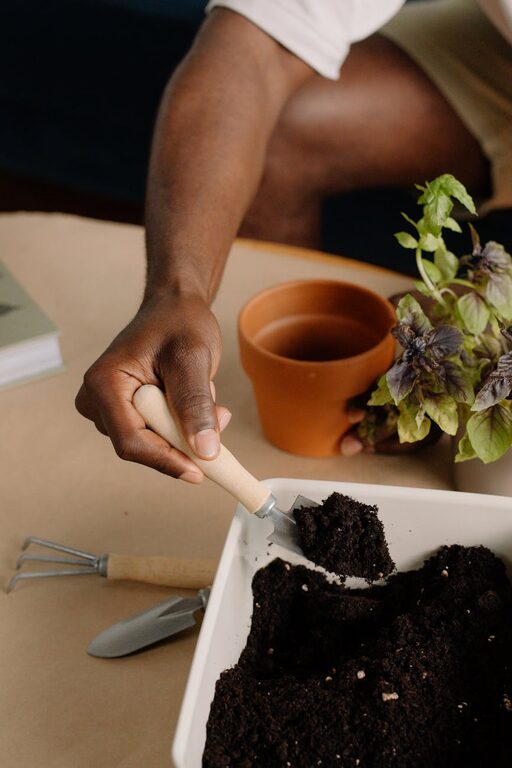
Growing an indoor herb garden is a rewarding way to enjoy fresh flavors year-round, even if you don’t have outdoor space. Whether you’re a seasoned gardener or a beginner, cultivating herbs inside your home can boost your cooking and brighten your space. Here are practical tips to help you grow a thriving indoor herb garden successfully.
Choosing the Right Herbs for Indoors
Not all herbs thrive equally well indoors. Some prefer full sun and others can tolerate lower light. Here are some popular herbs suited for indoor growing:
– Basil: Needs lots of light and warmth, perfect for sunny windowsills.
– Mint: Grows well even in moderate light, but can spread quickly.
– Parsley: Prefers bright, indirect light and consistent moisture.
– Chives: Easy to grow and happy with moderate light.
– Thyme: Requires bright light and well-drained soil.
– Cilantro: Likes bright light but can bolt quickly; cooler temperatures help.
– Oregano: Thrives in bright light and drier soil conditions.
When selecting herbs, consider how much natural light your space receives and pick plants accordingly. Leaf size and growth habits vary, so mixing a few types can add both variety and beauty.
Providing Adequate Light
Light is often the most critical factor for indoor herbs. Most herbs need around 6 hours of direct or bright indirect light daily. Here’s how to give them enough:
– Window placement: South- or west-facing windows provide the best light.
– Supplemental lighting: Use LED grow lights if natural light is insufficient, especially during winter.
– Rotate regularly: Turn your herb pots every few days to ensure even light exposure and balanced growth.
Avoid placing herbs too far inside a room or behind curtains where light is weak. If leaves become leggy or pale, it’s a sign your herbs need more light.
Choosing Suitable Containers and Soil
The right container and soil play a big role in herb health.
– Containers: Choose pots with drainage holes to prevent waterlogging, which can cause root rot. Materials like terracotta allow moisture to evaporate more easily, helping avoid soggy soil.
– Soil: Use a high-quality potting mix formulated for indoor plants. Herbs prefer well-draining soil, so mixes with added perlite or sand are ideal.
– Pot size: Start with small pots, but be ready to repot herbs as they grow to prevent root crowding.
Consider decorative pots with matching saucers to catch excess water and keep surfaces clean.
Watering and Humidity Tips
Proper watering can make or break your indoor herb garden.
– Water consistently: Most herbs like moist but not wet soil. Water when the top inch of soil feels dry.
– Avoid overwatering: Too much water leads to root rot. Ensure pots drain well and empty saucers after watering.
– Humidity: Indoor air can be dry, especially with heating. Increase humidity by grouping plants together or using a small humidifier.
– Misting: Light misting can benefit some herbs, but avoid constant damp foliage to minimize fungal issues.
Regularly check the soil moisture to adjust watering frequency, especially as seasons change.
Feeding Your Herbs
Indoor herbs need nutrients to grow well.
– Fertilize: Use a balanced liquid fertilizer diluted to half strength every 4-6 weeks during the growing season.
– Organic options: Compost tea or fish emulsion can provide nutrients naturally.
– Avoid overfeeding: Too much fertilizer can reduce flavor and cause leggy growth.
Remember, container plants have limited soil nutrients, so regular feeding supports healthy growth.
Pruning and Harvesting for Better Growth
Pruning stimulates fuller, bushier plants and keeps herbs healthy.
– Pinch regularly: Remove the top sets of leaves to encourage branching.
– Harvest often: Pick leaves frequently, ideally in the morning, to enjoy peak flavor and keep plants productive.
– Remove flowers: Many herbs lose taste after flowering; snipping blossoms encourages leaf growth.
Avoid cutting more than one-third of the plant at once to prevent stress.
Managing Pests and Problems
Indoor herbs can occasionally face pests or other issues.
– Common pests: Aphids, spider mites, and whiteflies can appear. Use insecticidal soap or wipe leaves with mild soapy water to control.
– Watch for diseases: Overwatering or poor air circulation can cause mildew or root rot. Maintain good airflow and proper watering habits.
– Clean leaves: Dust leaves to improve photosynthesis, helping plants stay strong.
Regular inspection helps catch problems early and prevents spreading.
Enjoying Your Indoor Herb Garden
A thriving herb garden offers more than just fresh flavors. It can brighten your kitchen, improve air quality, and connect you to nature indoors. Consider these tips to personalize and expand your herb setup:
– Mix fresh herbs into meals or brew them for homemade teas.
– Use decorative markers or pots that match your style.
– Try growing herbs in vertical planters or on windowsills to save space.
– Share cuttings with friends to start new plants.
With patience and care, your indoor herb garden can flourish, offering fresh greenery and delightful aromas all year long.
—
By selecting the right herbs, providing suitable light, water, and nutrients, and regularly pruning and inspecting your plants, you’ll enjoy a healthy, productive indoor herb garden that adds freshness to your home and kitchen. Happy gardening!