
 By
By 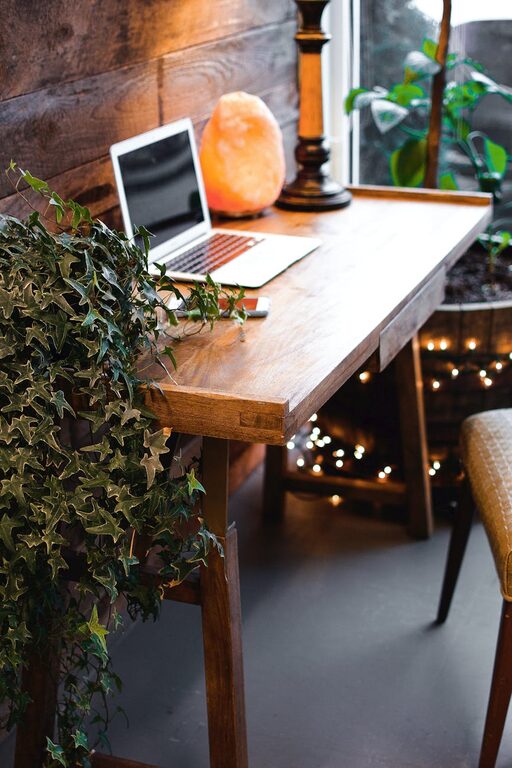
Creating a relaxing home office environment can significantly improve your focus, creativity, and overall well-being while working from home. Whether you have a dedicated room or a small corner, the key is to design a space that feels comfortable, organized, and calming. In this blog post, we’ll explore practical tips to help you transform your home office into a peaceful retreat for work.
Why a Relaxing Home Office Matters
Spending long hours in a stressful environment can affect your mood, energy levels, and productivity. A relaxing office helps reduce distractions, minimize stress, and keep you motivated throughout the day. When your workspace feels inviting and calm, it’s easier to maintain a positive mindset and work efficiently.
Choose the Right Location
Finding the ideal spot in your home is the first step. Ideally, pick a quiet area with minimal foot traffic and away from noisy appliances. Natural light is a major bonus—it boosts mood and reduces eye strain. If natural light is limited, consider soft, warm lighting to create a cozy atmosphere.
Tips for Location:
– Use a spare room, if possible, to keep work separate from personal life.
– Avoid placing your desk facing a distracting busy wall or cluttered area.
– Position your chair near a window for fresh air and sunlight.
Declutter and Organize
A cluttered space can lead to a cluttered mind. Keep your desk and surroundings tidy by organizing supplies and filing paperwork. Use storage solutions like shelves, boxes, and drawer organizers to store items neatly out of sight.
Decluttering Tips:
– Clear off your desk except for essentials.
– Use vertical storage to save desk space.
– Regularly review and remove unnecessary items.
Choose Comfortable Furniture
Comfort is crucial when you spend hours at your desk. Invest in an ergonomic chair that supports your back and encourages good posture. A desk at the correct height helps prevent strain on your wrists and shoulders.
Furniture Considerations:
– Adjustable chairs with lumbar support.
– Desks with enough surface space but not overwhelming.
– Consider a sit-stand desk for variety in posture.
Add Soothing Colors and Decorations
Colors influence our emotions. Soft, neutral tones like light blues, greens, and grays are known to promote calmness. Avoid overly bright colors that may overstimulate you during work.
Decorate your space sparingly with items that bring positivity and inspiration—plants, artwork, or personal photos can make your office feel welcoming without causing distraction.
Decoration Ideas:
– Houseplants such as succulents or peace lilies improve air quality and reduce stress.
– Wall art with nature scenes or motivational quotes.
– A cozy rug or cushions for warmth and softness.
Control Noise Levels
Noise distractions can impact concentration. If you can’t control ambient sounds, try noise-canceling headphones or play soft instrumental music to create a peaceful auditory environment.
Noise Management Tips:
– Use a white noise machine or fan to mask background sounds.
– Place rugs and curtains to absorb sound.
– Discuss quiet work hours with household members.
Keep Technology Organized
Technology is essential but can also create clutter and stress if cables and devices are messy. Use cable organizers and docking stations to tidy up cords and keep devices charged and ready.
Tech Organization Tips:
– Label cables to easily identify them.
– Position your computer screen at eye level.
– Regularly back up files to reduce digital clutter.
Incorporate Personal Break Areas
Taking short breaks is important for mental health and productivity. If your space allows, add a comfortable chair or small sofa for moments of rest away from your desk.
Break Area Suggestions:
– A reading nook or meditation corner.
– A small coffee station or water bottle nearby.
– Soft lighting for relaxation during breaks.
Maintain Good Air Quality
Fresh air and proper ventilation improve alertness and reduce fatigue. Open windows when weather permits or use an air purifier to ensure clean indoor air.
Air Quality Tips:
– Avoid strong perfumes or harsh cleaning chemicals.
– Use plants known for purifying air.
– Keep the space tidy to reduce dust accumulation.
Establish a Routine and Boundaries
A relaxing home office isn’t just about the physical setup. Setting clear work hours and boundaries helps you mentally separate work from personal life, reducing stress.
Routine Tips:
– Set regular start and finish times.
– Schedule breaks and lunchtime.
– Communicate your work hours with family or roommates.
Final Thoughts
Creating a relaxing home office environment takes some planning, but the benefits are well worth the effort. With the right location, organized space, comfortable furniture, and thoughtful decor, you’ll build a workspace that supports both your productivity and well-being. Start with small changes and gradually customize your office to fit your personal style and needs. A calm, peaceful home office can truly make working from home a more enjoyable and fulfilling experience.