
 By
By 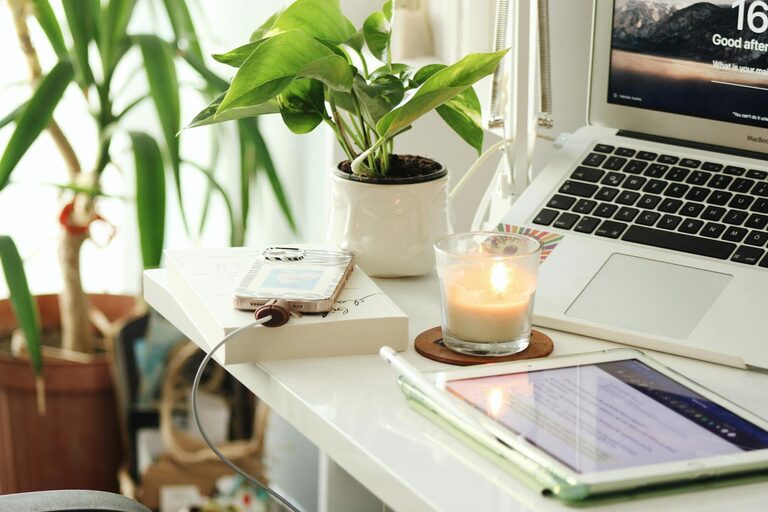
Creating a cozy and productive home office is essential as more people embrace remote work or flexible schedules. A well-designed workspace can improve focus, reduce stress, and inspire creativity. Whether you have a dedicated room or a small corner, turning it into an inviting and efficient office is achievable with the right approach.
In this post, we’ll share practical tips on how to design a home office that balances comfort with productivity. From furniture choices to lighting and organization, these ideas will help you make the most of your space.
1. Choose the Right Location
Selecting the best spot in your home for your office sets the foundation for productivity.
– Quiet and Private: Look for an area with minimal noise and distractions.
– Natural Light: Position your desk near a window if possible to benefit from natural daylight.
– Away from High Traffic: Avoid areas like the kitchen or living room where household activity is highest.
If space is limited, even a nook or a small corner with room for a desk and chair can work well.
2. Invest in Comfortable, Ergonomic Furniture
Comfort plays a huge role in how well you can focus through long workdays.
– Ergonomic Chair: Choose a chair that supports your back and encourages good posture.
– Desk Size: Pick a desk that has enough space for your computer, paperwork, and any other tools without feeling cramped.
– Adjustable Furniture: If possible, consider a sit-stand desk to vary your position throughout the day.
Taking care of your posture prevents discomfort and helps maintain energy levels.
3. Optimize Lighting
Proper lighting reduces eye strain and creates a calming atmosphere.
– Natural Light: As mentioned, natural light is best, so keep windows uncovered or with sheer curtains.
– Task Lighting: Use a desk lamp with adjustable brightness and direction to illuminate your immediate work area.
– Warm Bulbs: Opt for warm white light bulbs rather than harsh fluorescent ones to enhance coziness.
Avoid glare on computer screens by positioning lights thoughtfully.
4. Personalize with an Inviting Aesthetic
A cozy atmosphere encourages you to spend time in your workspace willingly.
– Colors: Choose soothing colors like light blues, greens, or warm neutrals for your walls and decor.
– Textiles: Add cushions, rugs, or curtains to soften the space and add texture.
– Plants: Incorporate a few houseplants to bring life, improve air quality, and reduce stress.
Your space should feel pleasant and reflect your personality without becoming cluttered.
5. Organize with Purpose
Clutter can derail productivity and contribute to stress.
– Storage Solutions: Use shelves, drawers, or filing cabinets to keep papers and supplies organized.
– Desk Essentials: Keep only necessary items on your desk to maintain focus.
– Cable Management: Use clips or sleeves to organize cords and keep your workspace tidy.
Consider a daily or weekly cleanup routine to sustain order.
6. Incorporate Technology Wisely
Technology is essential, but it can also become a distraction if not managed.
– Reliable Internet: Ensure your connection is fast and stable.
– Noise-Canceling Headphones: These can block distracting background noise during important tasks.
– Software Tools: Use productivity apps, timers, or calendar reminders to manage your workflow effectively.
Arrange cords and devices to prevent a messy look.
7. Create Zones for Different Activities
If your space allows, designate areas within your office for specific tasks.
– Work Zone: The main desk area for computer work and meetings.
– Reading or Planning Zone: A comfortable chair with good lighting for reviewing documents or brainstorming.
– Storage Zone: A dedicated spot for office supplies and files.
Separating activities can help your brain switch gears and avoid burnout.
8. Set Boundaries and Maintain Routine
To maximize productivity, treat your home office as a dedicated workspace.
– Keep Work and Home Separate: Avoid using your office space for casual activities.
– Establish Work Hours: Create a schedule and try to stick with it.
– Take Breaks: Incorporate short breaks to stretch or step outside to recharge.
These habits encourage a healthy work-life balance.
—
Final Thoughts
Crafting a cozy and productive home office doesn’t require a large budget or much space. With thoughtful choices around location, furniture, lighting, and organization, you can design an environment that supports both comfort and focus.
Remember to personalize your workspace and adapt it over time to best suit your needs. A well-arranged home office will make your workday more enjoyable and efficient, no matter where you live or what you do.
Happy decorating and productive working!